Osteopathy

What is Osteopathy?

Osteopathy is a registered healthcare profession that focuses on the body as a connected system. It recognises that bones, muscles, joints, fascia, nerves, and organs all interact to support health. Restrictions in movement, circulation, or nervous system function can contribute to pain, tension, and dysfunction.

Osteopathy is guided by four foundational principles:

  1. The body is a unit – all systems are interrelated, and function in one area affects the whole.

  2. Structure and function are interrelated – how the body is built influences how it works, and vice versa.

  3. The body has self-regulatory and healing mechanisms – given the right conditions, it can restore balance naturally.

  4. Rational treatment is based on these principles – assessment and hands-on techniques are tailored to the individual, respecting anatomy, physiology, and the body’s innate ability to heal.

Using these principles, I blend structural, cranial, and visceral techniques to improve mobility, support circulation, and promote nervous system regulation. Each session is tailored to the individual, creating space for the body to function at its best and encouraging long-term wellness..

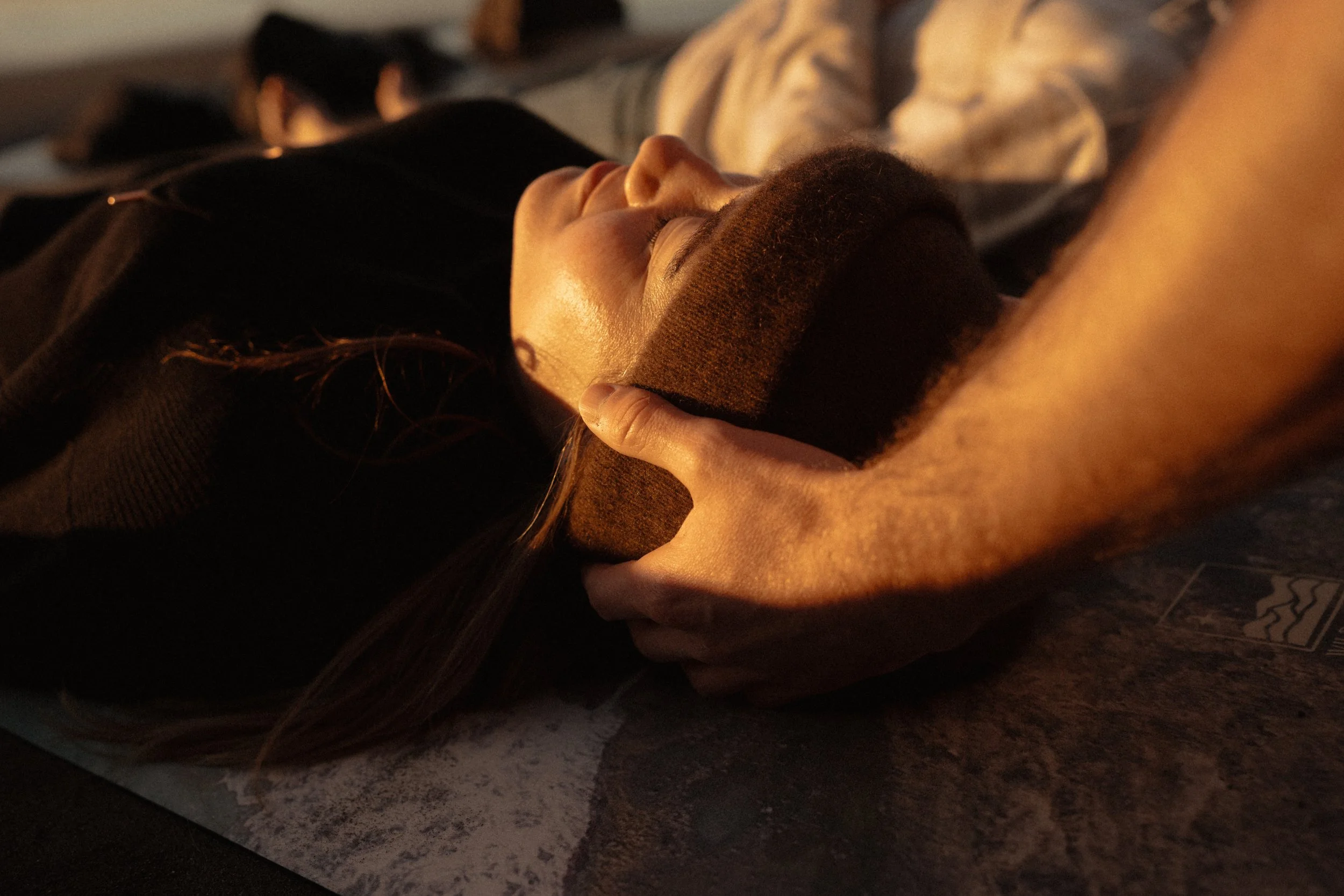
Person lying down with eyes closed, wearing a brown beanie and black hoodie, with a hand on their face, in warm lighting.
A collection of colorful gemstone crystals resting on a sandy surface at sunset or sunrise by the water.

What Conditions Can Osteopathy Help With?

Osteopathy may help with:

  • Back, neck, and joint pain

  • Muscular tension and postural strain

  • Headaches and migraines

  • Jaw tension or TMJ discomfort

  • Sports injuries and repetitive strain

  • Pregnancy-related aches and pelvic discomfort

  • Digestive tension or visceral restrictions

  • Stress-related tension and nervous system dysregulation

Osteopathy can also benefit people who want to maintain mobility, optimise performance, recover from injury, or enhance overall wellbeing — including those who are drawn to more subtle, energetic, or spiritual aspects of health.

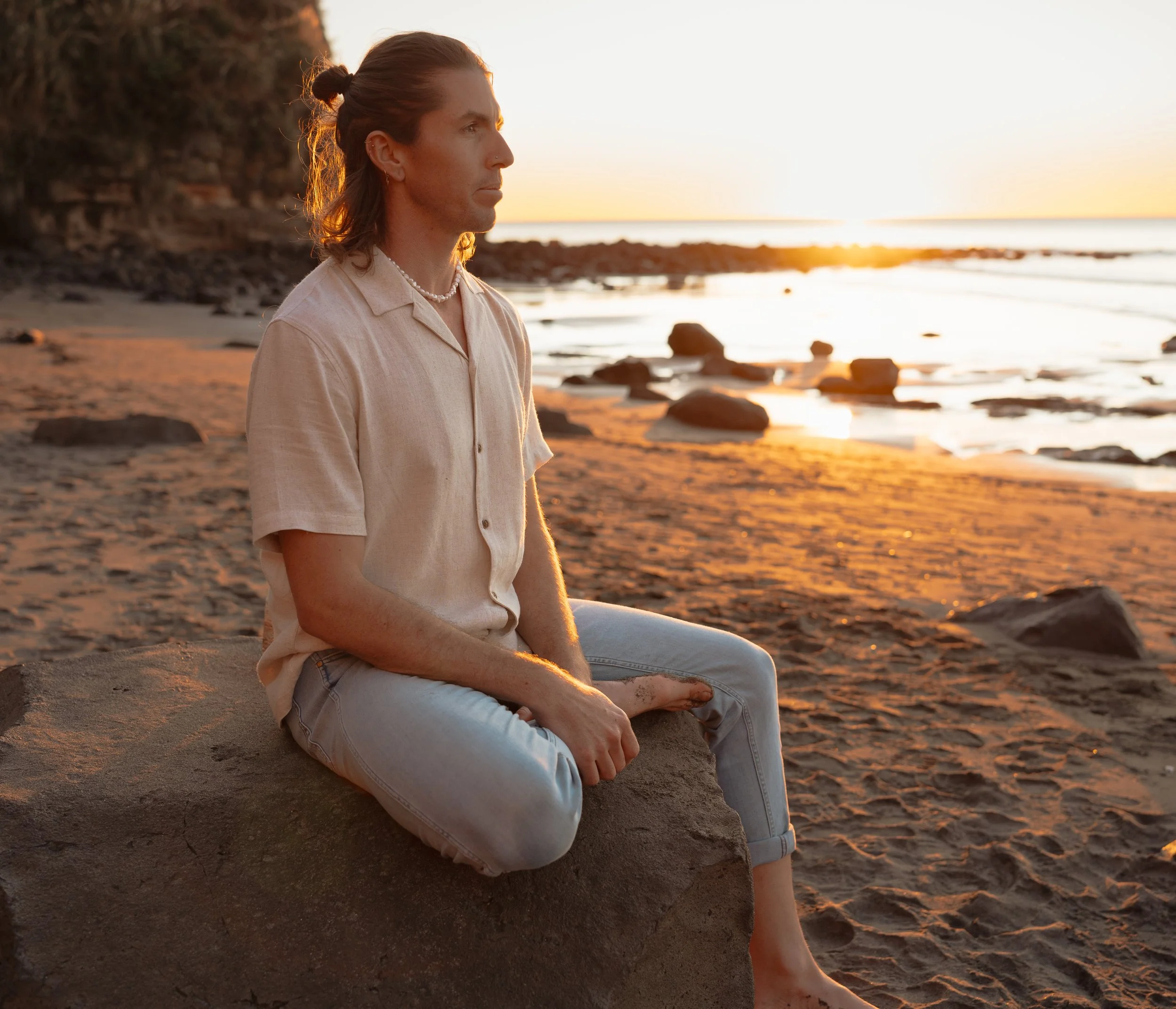
A man sitting cross-legged on a rock on a beach during sunset, with ocean waves and rocks in the background.

What to Expect in Your First Session

1. Conversation & History
We start by discussing your health history, current concerns, lifestyle, and goals.

2. Assessment
I assess posture, movement, breathing, and areas of tension. Neurological or orthopaedic testing may be performed if clinically indicated.

3. Treatment
Hands-on treatment is tailored to your needs and may involve structural, cranial, or visceral techniques. The aim is to reduce tension, improve mobility, and support the body’s natural self-regulation.

4. Integration & Support
Where appropriate, you may receive guidance on movement, breathwork, or lifestyle strategies to support ongoing healing and wellbeing.

A person meditating in a seated yoga pose on a large rock by the shoreline during sunset, with waves and rocks in the background.

Who Do We Treat?

Osteopathy is suitable for people of all ages and activity levels — from office workers and athletes to pregnant individuals, performers, or those managing chronic tension and fatigue.

This clinic welcomes:

  • People seeking gentle, evidence-informed osteopathic care

  • Individuals interested in addressing both physical patterns and nervous system or emotional tension

  • Alternative-minded clients who value a holistic, body-centered approach

  • Members of the LGBTQIA+ community and anyone looking for an inclusive, respectful, and safe environment